
Conquer the Long Shot: Precision Rifles for Extreme Hunting
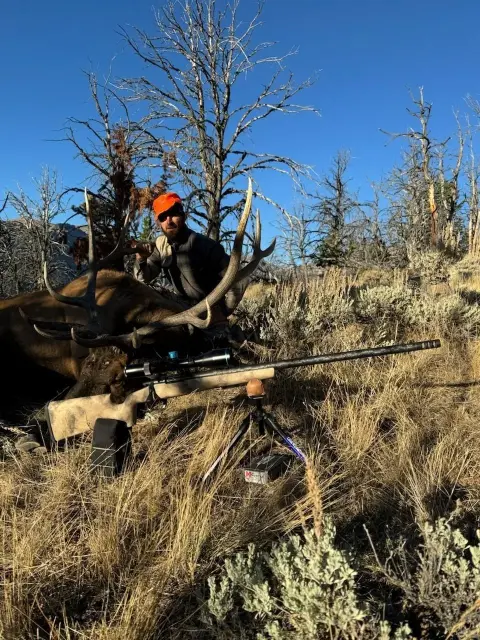
Imagine yourself in the wilderness; the wind is a whisper, and you find your target way out there, beyond the area most hunters would even consider to be targets. You line up your shot, inhale steadily, and… bang! Long-range hunting offers the excitement of that. Honestly, though, that dream shot stays only a dream without the proper configuration. Are you, therefore, ready to increase your hunting range and reach perfect accuracy? If you are, let us explore long-range hunting rifles and how to position yourself for success.
Understanding the “Long Range” Challenge
Long-distance shooting is not easy to start with. It’s not only about pointing and squeezing the trigger. It depends on the wind; it drives your bullet off course. Then there is bullet drop—gravity dragging your bullet down as it moves. And consider moving targets as well. These elements, taken together, make long-range hunting a genuinely difficult task.
A proven rifle system is, therefore, absolutely vital. These guns are built to meet these demands. Consider it: here, you are handling physics. Not forget that old formula, F=ma. That does also apply to your bullet. Gravity pulls it down constantly, and the wind exerts side force. A decent rifle system lessens these impacts.
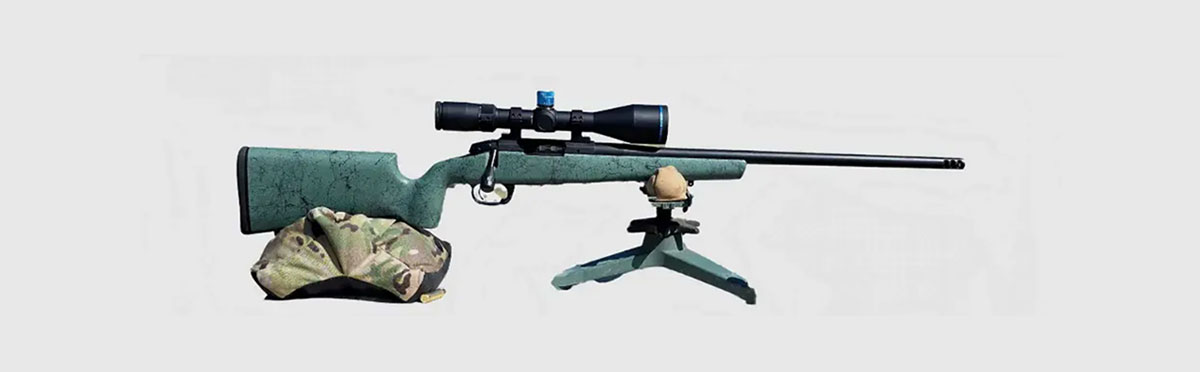
The Anatomy of a Proven Rifle System
So, what makes a rifle system “proven”? It’s all about the components working together.
- Barrel: The twist rate, length, and material are critical. A good barrel ensures that your bullet spins consistently, stabilizing it in flight.
- Action: You want something reliable and smooth. A good action ensures consistent cycling of rounds.
- Stock: Ergonomics and stability are key. A solid stock helps you maintain a steady aim. A good bedding system is essential, as this connects the stock to the action and keeps the barrel stable.
- Trigger: Precision and consistency are non-negotiable. A crisp trigger pull helps you avoid jerking the rifle.
- Optics: You need clear magnification to see those distant targets.
All these parts need to work together perfectly. That’s why quality matters.
Precision Rifles: More Than Just a Gun
A standard hunting rifle is fine for closer ranges, but you need a precision rifle for long-range. These rifles are built with accuracy in mind. Often, this means custom builds or professional gunsmithing. A good gunsmith can fine-tune your rifle for maximum performance.
And let’s not forget ammunition. Quality ammo makes a huge difference. Consistent bullet weight and powder charges mean consistent shots. Cheap ammo? Well, you get what you pay for.
Building Your Ideal Long-Range Hunting Setup
Okay, so how do you build your ideal setup?
- Start with a good action: Look for something reliable and well-regarded.
- Invest in a quality barrel: Talk to a gunsmith about the best twist rate and length for your needs.
- Choose a solid stock: Make sure it fits you comfortably and provides a stable platform.
- Get a crisp trigger: A good trigger makes a world of difference.
- Don’t skimp on optics: Quality glass is essential for long-range shooting.
- Maintain your rifle: Regular cleaning and maintenance are crucial.
You’ll also need tools like a bore brush, cleaning rod, and torque wrench.
Mastering the Fundamentals of Long-Range Shooting
Having a great rifle is only half the battle. You also need to know how to use it.
- Breathing and trigger control: These are fundamental. Practice until they become second nature.
- Wind reading: Learn to read the wind and compensate for its effects.
- Ballistic calculations: Understand bullet drop and wind drift.
- Practice, practice, practice: There’s no substitute for time at the range.
- Understand External effects: Coriolis effect, air pressure, and humidity all impact the bullet.
Conclusion
Now you have it. Long-range hunting is a demanding but worthwhile hobby. You may achieve amazing accuracy with the proper long-range hunting rifles, a proven rifle system, and lots of practice. Spend time developing your perfect configuration, honing the basics, and getting out there.